What's New
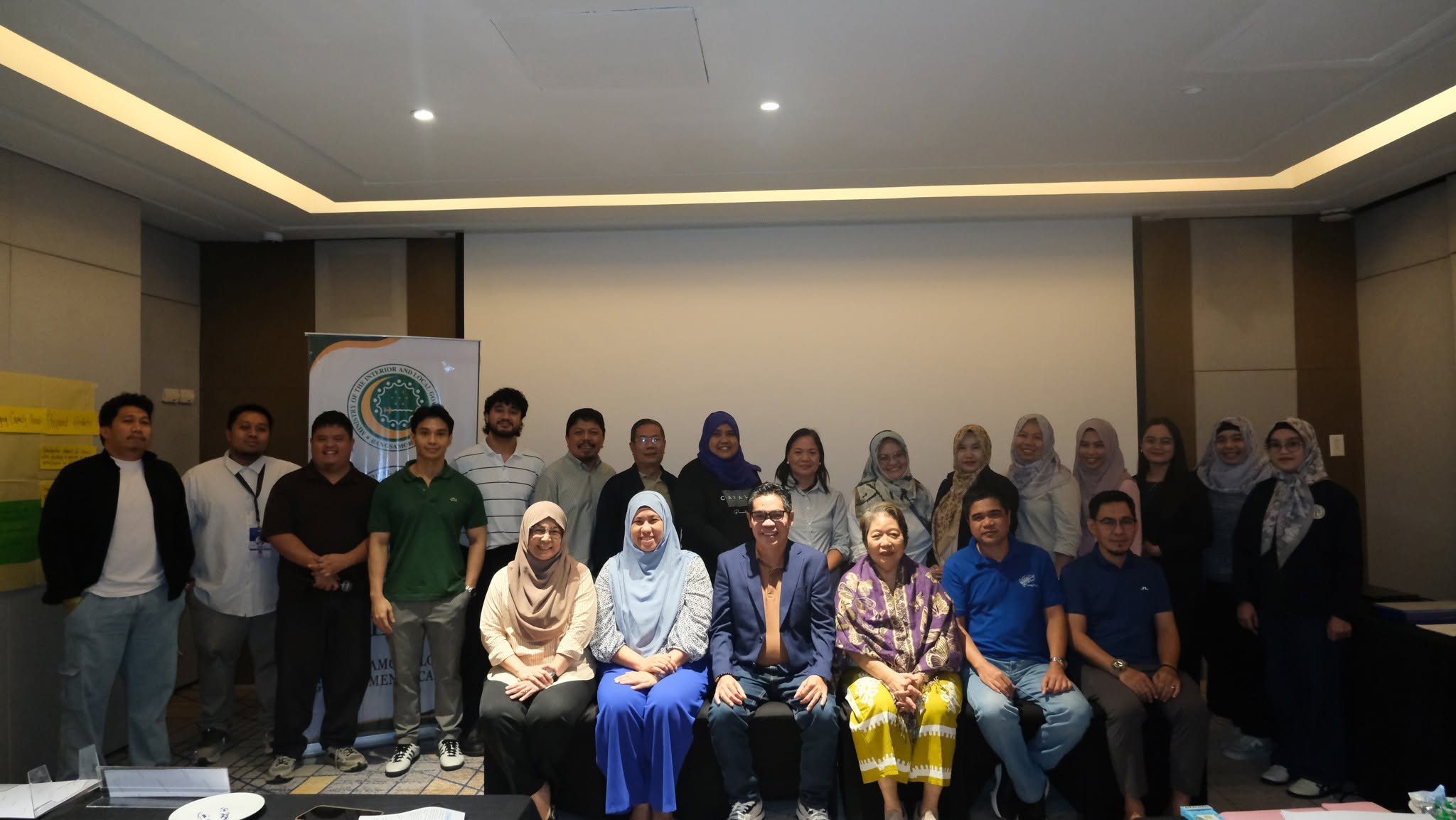
DAVAO CITY — For the Galing Pook Foundation, a two-day workshop held July 14–15 at the Acacia Hotel here was more than a technical review of a training curriculum. It was, in the words of its own Executive Director, a chance to help a young autonomous region build the evidentiary backbone of good governance from the ground up.
The Bangsamoro Local Government Academy (BLGA) convened the Bangsamoro NEO Framework Review and Validation Workshop with Galing Pook's support, drawing officials from the Ministry of the Interior and Local Government (MILG) Regional Office and its provincial field offices. The goal: stress-test the existing BangsaNEO Framework — the region's guide for developing the competencies of local government officials — and sharpen it ahead of the 2028 local elections, when a new wave of elected leaders will need to hit the ground running.
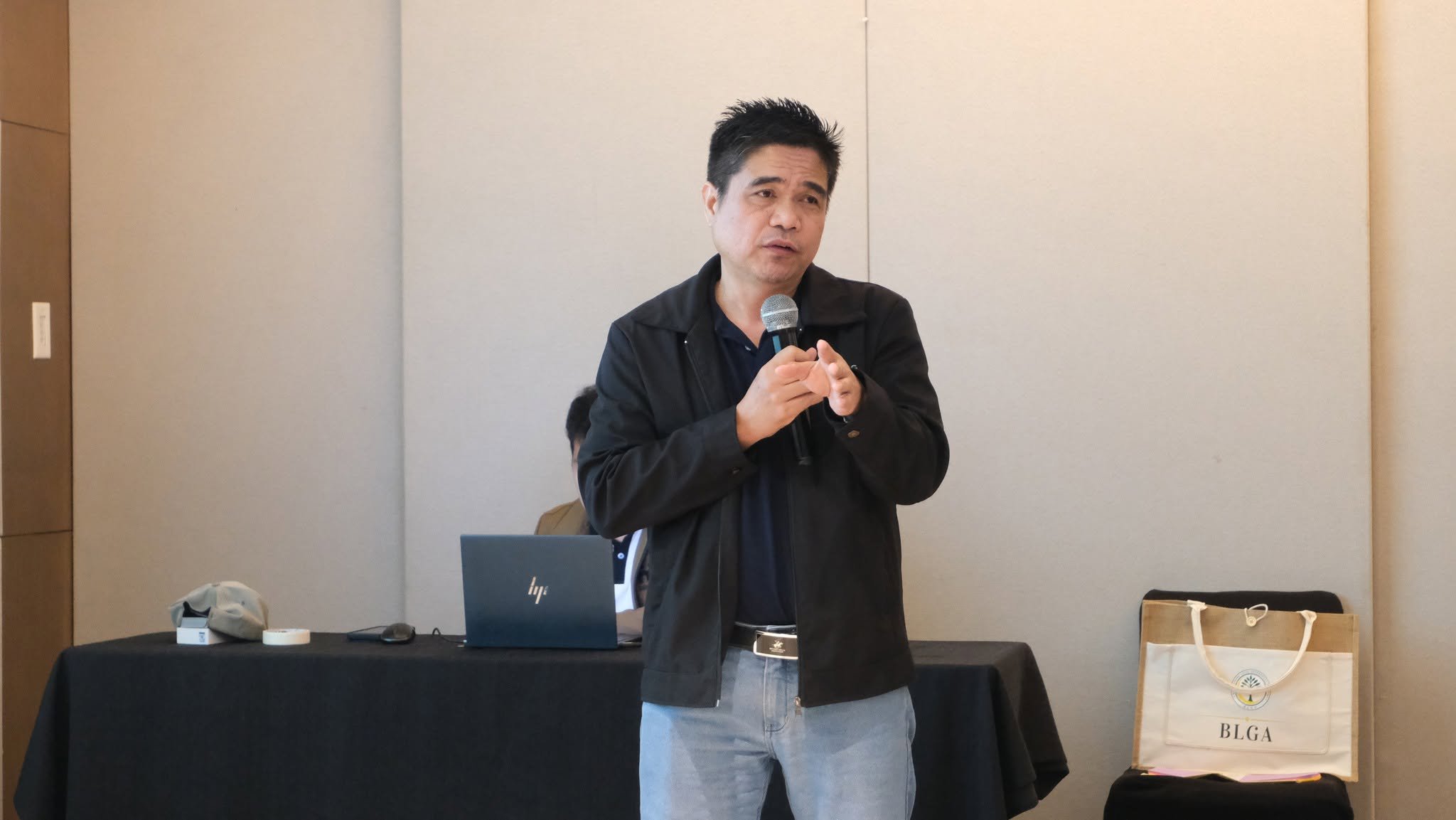
Galing Pook, long known nationally for recognizing and studying innovative local governance practices, did not come to the workshop simply as a sponsor. Its Executive Director, Jay Carizo, served as a process observer and technical mentor throughout the sessions, working alongside Bangsamoro Director General Engr. Khalid S. Dumagay and former Department of the Interior and Local Government (DILG) Undersecretary Marivel G. Sacendoncillo to keep discussions grounded and outcome-focused.
Making the Case for Baselines
Carizo's central message to participants centered on measurement. He stressed that before any capacity development program can claim impact, it needs a clear baseline of what local officials already know and can do. Without that starting point, he noted, it becomes difficult to design learning interventions that actually target real gaps — or to build the indicators needed to track whether those interventions are working over time.
That emphasis on evidence dovetailed with the workshop's broader discussions, which were anchored in the governance principles set out in the Bangsamoro Local Governance Code: local autonomy, citizen participation, moral governance, accountability, devolution, and a clear delineation of powers and responsibilities. Participants agreed these principles are what allow LGUs to plan and decide based on evidence, deliver services suited to local realities, and open genuine space for citizen participation in governance.
Context Over Cookie-Cutter Solutions
The open forum brought a complementary perspective from former Undersecretary Sacendoncillo, who drew on her years of experience designing capacity development programs for local governments nationwide. She reminded participants that translating the Capacity Development Pillars into real interventions only works if those interventions respect each LGU's distinct circumstances and priorities. A framework, she argued, has to be adaptive and context-sensitive — not a one-size-fits-all template — if it is going to produce results that last.
That philosophy resonates with Galing Pook's own track record of documenting what works in local governance across the Philippines, precisely because effective practices tend to be the ones adapted to local conditions rather than imposed from outside them.
A Shared Investment in Bangsamoro's Future Leaders
BLGA's newly designated Director, Atty. Fahleah M. Aliuden, closed the workshop by framing the exercise as a shared responsibility — one where moral governance, professionalism, and public service excellence depend on sustained collaboration and institutional commitment, not any single agency acting alone.
For Galing Pook, that framing is the point of its continued involvement. The Foundation's role in the workshop reflects a broader partnership with BLGA to ensure the enhanced BangsaNEO Framework becomes more than a policy document sitting on a shelf. Once finalized, it is expected to guide the orientation of newly elected local officials in the run-up to 2028, helping embed a culture of accountable, inclusive, and effective governance across the Bangsamoro Region.
The workshop closed with participants committing to keep refining the framework — a signal, from Galing Pook's vantage point, that the region's local leadership pipeline is being built not just on policy intent, but on active, evidence-driven collaboration between national governance experts and the Bangsamoro's own institutions.